

Industry Background and Market Demand
In modern fluid handling systems, components such as casing seats and suction valve assemblies are fundamental to operational efficiency, safety, and precision. Growing industrial automation, advanced medical devices, chemical processing, and hydraulic systems have increased demand for high-quality valve components capable of consistent performance under challenging conditions. In particular, medical applications such as surgical suction systems, dialysis machines, and ventilators require components that meet stringent regulatory standards. Simultaneously, industrial sectors demand fluid control solutions that provide durability, resistance to wear, and reliable pressure management, driving the need for high-performance casing seats and suction valves.
Core Concepts and Key Technical Principles
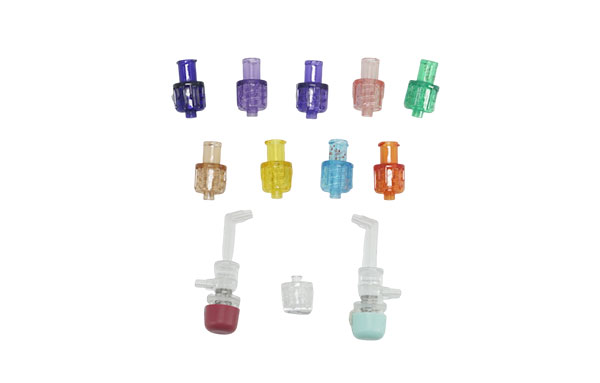
A casing seat serves as a structural foundation for valve assemblies, providing alignment, mechanical support, and a sealing interface to prevent fluid leakage. Its design ensures stability under pressure variations while maintaining the correct positioning of internal components. The Suction valve assembly regulates fluid intake, prevents backflow, and maintains a steady pressure differential within the system. Key technical considerations include flow dynamics, pressure tolerances, and material compatibility. Precision in tolerances and alignment minimizes leakage and ensures smooth operation, which is critical for maintaining system efficiency and safety in sensitive applications.
Product Structure, Performance, Materials, and Manufacturing
Casing seats are typically made from stainless steel, high-strength polymers, or corrosion-resistant alloys. Their structural features often include machined grooves, reinforced surfaces, and tight-tolerance interfaces to provide optimal sealing and mechanical stability. Suction valve assemblies incorporate components such as valve stems, diaphragms, seals, and springs, all designed to endure repeated cycles of mechanical stress and chemical exposure.
Manufacturing processes involve CNC machining for metallic parts, Injection molding for polymers, and surface treatments such as electropolishing or specialized coatings to improve durability and chemical resistance. Assembly precision is essential to ensure minimal leakage and friction, enhancing long-term performance. Quality assurance measures, including dimensional inspection, pressure testing, and leak testing, are standard practices in production to guarantee compliance with performance specifications.
Factors Affecting Quality and Performance
The performance of casing seats and suction valve assemblies depends on multiple factors:
Material Selection: Proper materials resist corrosion, wear, and chemical degradation.
Dimensional Accuracy: Tight tolerances are necessary to ensure effective sealing.
Surface Finish: Smooth surfaces reduce friction, wear, and the risk of leakage.
Assembly Precision: Misalignment can cause operational inefficiency or early failure.
Operating Conditions: Variations in pressure, temperature, or chemical exposure can impact reliability if components are not properly matched to system requirements.
Supply Chain and Supplier Selection Standards
Reliable supply chains are essential for consistent quality. Key selection criteria for suppliers include:
Certified manufacturing processes (ISO 9001, ISO 13485 for medical applications).
Material traceability and regulatory compliance.
Technical support for design customization and integration into complex systems.
Robust quality control and testing capabilities to minimize operational downtime.
On-time delivery and the ability to scale production according to market demand.
Common Issues and Industry Pain Points
Despite technological advances, challenges remain in the industry:
Leakage and Wear: Poor tolerances or incompatible materials can compromise seals.
Backflow Problems: Inadequate valve design or assembly can lead to system inefficiencies.
Material Degradation: Exposure to harsh chemicals or extreme temperatures can reduce lifespan.
Supply Chain Variability: Inconsistent supplier quality can affect overall system reliability.
Applications and Industry Use Cases
Casing seats and suction valve assemblies find applications across diverse industries:
Medical Devices: Used in surgical suction equipment, dialysis machines, respiratory systems, and other fluid-management devices.
Industrial Pumps: Critical for precise fluid transfer in chemical processing, water treatment, and lubrication systems.
Hydraulic Systems: Maintain pressure integrity and prevent backflow in heavy machinery, Automotive hydraulics, and industrial automation.
Laboratory Equipment: Ensure precise and controlled fluid flow for experimental consistency and safety.
Current Trends and Future Development
The industry is moving toward innovations in materials, design, and monitoring:
Advanced Materials: High-performance polymers, composites, and corrosion-resistant alloys enhance durability.
Miniaturization: Compact casing seats and valves are increasingly used in medical and laboratory devices.
Integration with Smart Systems: Sensors monitor flow, pressure, and wear, enabling predictive maintenance.
Sustainability: Development of eco-friendly materials and energy-efficient manufacturing is gaining momentum.
Customization: Tailored solutions for specific applications enhance operational efficiency and safety.
FAQ / Common Questions
What differentiates a casing seat from a suction valve assembly?
The casing seat provides mechanical support and sealing, while the suction valve assembly controls fluid intake and prevents backflow.
Which materials are recommended for chemical or corrosive environments?
Stainless steel, titanium alloys, and high-performance engineering plastics are suitable for resisting chemical degradation.
How is quality ensured in these components?
Rigorous inspection, precision machining, dimensional verification, leak testing, and adherence to regulatory standards ensure reliability.
Conclusion
Casing seats and suction valve assemblies are indispensable for reliable and precise fluid control in medical, industrial, and hydraulic systems. Their performance relies on careful material selection, precision engineering, and stringent quality control. As industries evolve, advancements in materials, miniaturization, smart monitoring, and sustainable manufacturing practices will further enhance their efficiency, safety, and longevity. By understanding design principles, manufacturing processes, and application requirements, engineers can select and implement these components to achieve optimal system performance and compliance with demanding operational standards.
This website uses cookies to ensure you get the best experience on our website.


 Español
 Deutsch
 日本語
日本語 한국어
한국어



 WhatsApp
 Phone
Phone