

Inserter handle: Technical Insights, Applications, and Industry Trends
Inserter Handles are specialized components designed to facilitate precise insertion, positioning, or manipulation of devices, implants, or mechanical parts in industrial, medical, and technical applications. These handles serve as ergonomic interfaces, translating human motion into controlled mechanical action while ensuring accuracy, safety, and repeatability. Understanding their design, materials, manufacturing processes, and performance determinants is essential for procurement specialists, engineers, and medical equipment manufacturers seeking reliable, high-quality solutions.
The global demand for inserter handles has expanded in line with industrial automation, medical device innovation, and advanced assembly techniques. In medical surgery, inserter handles are critical for implant placement, orthopedic procedures, and minimally invasive operations. In industrial settings, they assist in the precise positioning of components in electronics, Automotive assembly, and machinery maintenance.
Key drivers of market growth include:
Medical Device Expansion: Growth in orthopedic, cardiovascular, and neurosurgical procedures has created strong demand for precision inserter Tools.
Industrial Automation: Inserter handles improve efficiency in assembly lines requiring repetitive or delicate operations.
Ergonomic and Safety Considerations: Workplaces increasingly prioritize operator comfort and precision to reduce errors, fatigue, and injury.
Regulatory Compliance: Medical and industrial applications require adherence to ISO, ASTM, or FDA standards, influencing procurement decisions.
B2B buyers prioritize durability, ergonomics, material performance, and supplier reliability when sourcing inserter handles.
Inserter handles translate user input into controlled motion for accurate insertion or placement. Core technical concepts include:
Ergonomic Design: Handle shape, grip texture, and weight distribution directly impact usability, reducing operator fatigue during prolonged procedures.
Torque and Force Transmission: Mechanical or powered handles must reliably transmit force without slippage, deformation, or loss of precision.
Material Compatibility: Handles often interface with implants, surgical devices, or precision components, requiring chemically inert, sterilizable, or non-conductive materials.
Precision Control: Fine tolerances in jointed or modular handles ensure consistent alignment and repeatable performance.
Advanced inserter handles may incorporate modular attachments, torque-limiting mechanisms, or sensor integration for enhanced functionality.
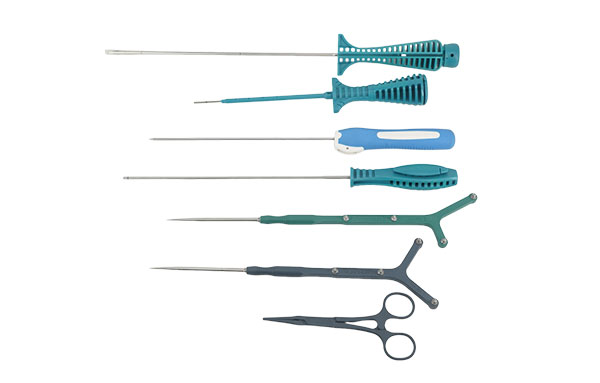
Inserter handles vary widely depending on application, but generally consist of the following elements:
Grip Section: Shaped for ergonomic handling, often using thermoplastics, silicone, or rubber coatings to improve comfort and prevent slippage.
Shaft or Interface: Transmits motion from the handle to the target device or implant. Materials may include stainless steel, titanium, or high-strength polymers.
Connection Mechanism: Includes threaded, snap-fit, or modular interfaces compatible with specific instruments, devices, or implants.
Mechanical Enhancements: Torque-limiting collars, ratchets, or locking mechanisms enhance control and precision during insertion.
Manufacturing techniques involve Injection molding for ergonomic components, CNC machining for metal shafts, and surface finishing to ensure smooth operation, chemical resistance, and sterilization compatibility.
Performance and reliability of inserter handles depend on several critical factors:
Material Selection: High-strength metals and sterilizable polymers prevent deformation or failure under repeated use.
Dimensional Accuracy: Tight tolerances ensure proper fit with implants, devices, or industrial components, reducing operational errors.
Ergonomics: Poorly designed handles increase operator fatigue, reduce insertion precision, and may contribute to errors.
Surface Finish: Smooth or coated surfaces improve grip, chemical resistance, and sterilization durability.
Environmental and Operational Conditions: Repeated sterilization, exposure to chemicals, or extreme mechanical loads can influence durability and performance.
Attention to these factors ensures that inserter handles deliver consistent, safe, and reliable results in high-precision applications.
For medical and industrial procurement, supplier reliability and quality control are crucial:
Certification and Compliance: Suppliers must provide ISO 13485, ISO 9001, or FDA-certified components for medical applications and ISO-certified products for industrial applications.
Material Traceability: Documentation of raw material grade, reinforcement, or coatings ensures consistent performance.
Manufacturing Capabilities: Advanced CNC machining, injection molding, and quality inspection facilities are critical to maintaining tight tolerances.
After-Sales Support: Availability of spare parts, modular replacements, and technical guidance reduces downtime and operational risk.
Delivery Reliability: Consistent supply of standardized or custom inserter handles supports medical procedures and industrial production schedules.
Collaborating with certified and experienced suppliers ensures high-quality and reliable delivery of inserter handles.
Despite their advantages, inserter handles face several challenges:
Material Degradation: Repeated sterilization, exposure to chemicals, or high mechanical loads can reduce lifespan.
Precision Limitations: Misalignment or loose interfaces may compromise insertion accuracy.
Ergonomic Deficiencies: Poorly designed grips increase operator fatigue and reduce efficiency in repetitive tasks.
Customization Requirements: Specialized medical or industrial applications may demand custom interfaces, increasing production complexity and cost.
Addressing these challenges requires careful material selection, precise manufacturing, and adherence to design standards.
Inserter handles are widely applied across medical and industrial sectors:
Medical Surgery: Used for orthopedic, spinal, and cranial implant placement, facilitating minimally invasive procedures.
Dental Implants: Provide precise torque control and ergonomic handling for implant insertion.
Industrial Assembly: Enable accurate placement of electronic components, fasteners, or precision parts on assembly lines.
Maintenance and Repair: Assist in controlled insertion or removal of components in machinery, aerospace systems, or laboratory instruments.
Modular Systems: Adaptable handles support interchangeable heads for different surgical or industrial devices, enhancing versatility.
These examples demonstrate the critical role of inserter handles in maintaining operational accuracy, safety, and efficiency.
Several trends are shaping the development and adoption of inserter handles:
Material Innovation: Use of reinforced polymers, lightweight metals, and antimicrobial coatings improve performance and hygiene.
Ergonomic Enhancement: Handles are increasingly designed with human factors engineering to reduce fatigue and enhance precision.
Digital Integration: Smart handles with torque sensors or feedback systems support real-time monitoring in surgical or industrial applications.
Miniaturization: Smaller handles for microsurgery, dental procedures, or electronics assembly enable high-precision operations.
Sustainability: Recyclable materials and longer-lasting components reduce environmental impact and total cost of ownership.
These trends indicate that inserter handles will continue to evolve, emphasizing precision, usability, and integration with advanced devices and automated workflows.
Q1: How do I select the right inserter handle for medical applications?
A1: Evaluate material grade, ergonomics, torque control, compatibility with implants, and supplier certifications to ensure safety and reliability.
Q2: Can inserter handles withstand repeated sterilization?
A2: High-quality medical-grade handles made from sterilizable polymers or metals maintain integrity under repeated autoclaving or chemical sterilization.
Q3: Are inserter handles used outside the medical industry?
A3: Yes. Industrial applications include electronics assembly, precision maintenance, and automated manufacturing where accurate insertion is critical.
Q4: What factors affect the lifespan of an inserter handle?
A4: Material selection, mechanical load, environmental exposure, sterilization cycles, and proper handling directly influence durability and performance.
Conclusion
Inserter handles are essential tools in medical and industrial applications, providing ergonomic, precise, and reliable control during insertion, positioning, or manipulation tasks. Their performance depends on material selection, design precision, manufacturing quality, and supplier reliability. With ongoing advancements in ergonomics, materials, and digital integration, inserter handles are poised to support increasingly precise, efficient, and safe operations across multiple industries, from surgery to industrial assembly.
This website uses cookies to ensure you get the best experience on our website.


 Español
 Deutsch
 日本語
日本語 한국어
한국어



 WhatsApp
 Phone
Phone