


 Español
 Deutsch
 日本語
日本語 한국어
한국어
Automotive control buttons
Automotive Control Buttons: Design, Functionality, and User Experience Automotive control buttons are critical components of a vehicle’s interior, serving as the primary interface between the driver and various vehicle functions. These buttons are designed to provide intuitive, ergonomic, and efficient access to essential features while ensuring safety and minimizing distractions. Design and Ergonomics Control buttons in modern vehicles are strategically placed to optimize accessibility and usability. They are typically grouped by function—climate control, infotainment, driving aids, and lighting—and positioned within easy reach of the driver. The design prioritizes tactile feedback, with distinct shapes, textures, or resistance to allow operation without visual confirmation. For example, volume knobs often have ridged edges, while toggle switches may feature a noticeable click. Materials and finishes vary, ranging from durable plastics to metallic or high-gloss surfaces, balancing aesthetics with longevity. Backlit buttons enhance visibility in low-light conditions, often using soft, non-distracting illumination. Functionality and Integration Automotive buttons control a wide range of functions: - Climate Control: Adjusting temperature, fan speed, and air distribution. - Infotainment: Managing audio, navigation, and connectivity settings. - Driving Assistance: Activating cruise control, lane-keeping, or parking sensors. - Vehicle Dynamics: Engaging drive modes (e.g., Eco, Sport) or stability controls. With the rise of digital interfaces, some physical buttons are being replaced by touch-sensitive panels or voice commands. However, many manufacturers retain tactile buttons for critical functions (e.g., hazard lights, defrosters) to ensure reliability in emergencies. User Experience and Safety A well-designed button layout minimizes driver distraction by reducing the need to look away from the road. Buttons with clear icons and logical grouping improve usability, while haptic feedback enhances interaction precision. Overly complex or poorly placed controls, however, can lead to frustration or unsafe driving behavior. In summary, automotive control buttons play a vital role in vehicle operation, blending ergonomic design, functional efficiency, and safety considerations. As technology evolves, the balance between physical controls and digital interfaces remains a key focus in automotive interior design.
Products
Category:
-
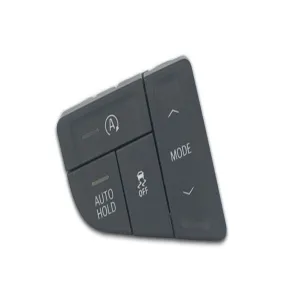
Automotive button components
Category: AutomotiveBrowse number: 12Number:Release time: 2025-12-16 14:02:14Automotive button components are precision parts used in vehicle control interfaces, including dashboards, steering wheels, center consoles, and door panels. They are designed to deliver reliable tactile feedback, consistent actuation force, and long service life under frequent use. Common materials include engineering plastics, silicone rubber, and metal inserts, selected for durability, temperature resistance, and surface finish quality. These components are manufactured through injection molding, overmolding, and surface treatment processes to meet automotive standards. Automotive button components support functions such as climate control, infotainment, lighting, and safety systems, contributing to intuitive operation and enhanced user experience in modern vehicles.
News
Category:
No search results found!
Case
Category:
No search results found!
Video
Category:
No search results found!
Download
Category:
No search results found!
Job
Category:
No search results found!
Featured Products
No search results found!



 WhatsApp
 Phone
Phone