


 Español
 Deutsch
 日本語
日本語 한국어
한국어
Camera housing protective
Protective Camera Housing: Ensuring Durability and Performance in Harsh Environments A protective camera housing is an essential accessory designed to safeguard cameras from environmental hazards, ensuring reliable performance in challenging conditions. Whether used for surveillance, industrial inspection, wildlife photography, or outdoor filming, these housings provide critical protection against dust, moisture, extreme temperatures, and physical impacts. Key Features of Protective Camera Housings 1. Robust Material Construction High-quality protective housings are typically made from durable materials such as polycarbonate, aluminum, or reinforced polymers. These materials offer excellent resistance to corrosion, UV radiation, and mechanical stress, ensuring long-term durability. 2. Waterproof and Dustproof Design Many housings meet IP66, IP67, or IP68 ratings, meaning they are fully dust-tight and can withstand immersion in water at varying depths. Sealed gaskets and O-rings prevent moisture ingress, making them ideal for marine, underwater, or rainy environments. 3. Impact and Vibration Resistance Rugged housings often feature shock-absorbing designs to protect cameras from accidental drops or vibrations in industrial or vehicular applications. Reinforced corners and thick walls help dissipate impact energy. 4. Temperature Regulation In extreme climates, thermal management is crucial. Some housings include built-in heating or cooling systems to maintain optimal operating temperatures, preventing fogging or overheating. 5. Optical Clarity and Compatibility High-transparency glass or acrylic windows ensure minimal distortion while protecting the lens. Anti-reflective coatings and scratch-resistant surfaces enhance image quality. The housing should also allow access to camera controls without compromising protection. 6. Mounting Flexibility Many housings come with adjustable mounting options, such as tripod sockets, pole mounts, or magnetic bases, enabling secure installation in various settings. Applications Protective camera housings are widely used in: - Surveillance & Security: Protecting cameras in outdoor or high-risk areas. - Industrial Inspections: Shielding cameras in factories, construction sites, or hazardous zones. - Wildlife & Nature Photography: Enabling operation in rain, snow, or underwater conditions. - Automotive & Aerospace: Withstanding vibrations and temperature fluctuations. Conclusion A well-designed protective camera housing extends the lifespan of cameras while ensuring consistent performance in harsh environments. By combining durability, weather resistance, and user-friendly features, these enclosures are indispensable for professionals who rely on their equipment in demanding scenarios.
Products
Category:
-
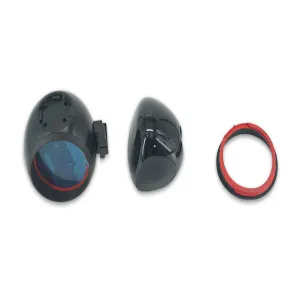
Camera housing
Category: 3C categoryBrowse number: 14Number:Release time: 2025-12-16 15:46:40Camera housing is a protective enclosure designed to safeguard cameras from environmental hazards such as dust, moisture, vibration, and impact. Engineered for durability, it ensures optimal performance and longevity of imaging equipment across various applications, including surveillance, industrial monitoring, and outdoor photography. High-quality camera housings are constructed from robust materials such as aluminum, polycarbonate, or stainless steel, often featuring weatherproof seals, thermal management solutions, and mounting options. Precision manufacturing ensures compatibility with multiple camera models while maintaining structural integrity. Reliable camera housings enhance operational stability, reduce maintenance requirements, and provide versatile installation options in demanding professional environments.
News
Category:
No search results found!
Case
Category:
No search results found!
Video
Category:
No search results found!
Download
Category:
No search results found!
Job
Category:
No search results found!
Featured Products
No search results found!



 WhatsApp
 Phone
Phone