


 Español
 Deutsch
 日本語
日本語 한국어
한국어
Endoscope Handle surgical
Endoscope Handle in Surgical Procedures The endoscope handle is a critical component of endoscopic systems, serving as the primary interface between the surgeon and the instrument. Designed for precision, ergonomics, and functionality, it plays a vital role in diagnostic and therapeutic procedures across various medical specialties, including gastroenterology, urology, and minimally invasive surgery. Design and Ergonomics The endoscope handle is engineered to provide optimal control and comfort during prolonged procedures. Its ergonomic shape reduces hand fatigue, allowing surgeons to maintain a firm grip while manipulating the scope. The handle typically features intuitive button placements for functions such as suction, irrigation, and image capture, ensuring seamless operation without disrupting the workflow. Lightweight materials like high-grade plastics or metals are used to balance durability and ease of handling. Functional Components 1. Control Buttons – Strategically positioned for easy access, these buttons activate essential functions like air/water insufflation or fluid aspiration. Some handles incorporate programmable buttons for customization based on surgeon preference. 2. Angulation Controls – Many endoscope handles include knobs or levers to adjust the distal tip’s deflection, enabling precise navigation through anatomical structures. 3. Instrument Channel Port – Some handles feature an accessory port for introducing biopsy forceps, snares, or other tools directly through the endoscope. 4. Connections – The handle integrates with light sources, video processors, and other peripherals via standardized ports, ensuring compatibility with various endoscopic systems. Clinical Applications In gastrointestinal endoscopy, the handle allows for smooth maneuvering through the digestive tract, while in laparoscopy, it aids in visualizing and accessing internal organs with minimal invasiveness. Its design ensures stability during complex interventions, such as polyp removal or stent placement. Sterilization and Maintenance Given its repeated use, the handle is constructed to withstand rigorous sterilization processes, including autoclaving or high-level disinfection. Sealed components prevent fluid ingress, maintaining hygiene and operational integrity. Conclusion The endoscope handle is a sophisticated yet user-friendly tool that enhances surgical precision and efficiency. Its ergonomic design, intuitive controls, and robust construction make it indispensable in modern endoscopic practice, contributing to improved patient outcomes and procedural success. Advances in handle technology continue to refine minimally invasive techniques, further expanding its clinical utility.
Products
Category:
-
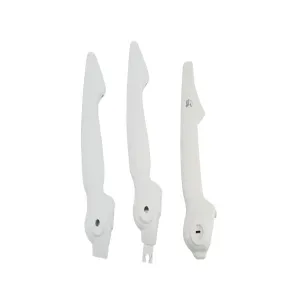
Endoscope Handle
Category: Medical equipment categoryBrowse number: 12Number:Release time: 2025-12-16 10:39:49An Endoscope Handle is a precision component of endoscopic instruments, providing surgeons with control over the insertion, maneuvering, and operation of the endoscope. Designed for ergonomic comfort, it allows smooth navigation through anatomical pathways while maintaining stability and accuracy. Typically constructed from medical-grade polymers or metals, the handle is durable, sterilization-resistant, and corrosion-proof. Integrated control buttons or levers enable suction, irrigation, or instrument manipulation without interrupting the procedure. Endoscope handles are critical in minimally invasive surgeries, including gastrointestinal, urological, and laparoscopic interventions, enhancing procedural efficiency, patient safety, and overall surgical performance.
News
Category:
-
[Industry News]Medical Injection Molding Component Assembly Considerations
2026-01-04 15:11:42 -
[Industry News]Micro injection molding simulation case studies
2026-01-11 08:49:24
Case
Category:
No search results found!
Video
Category:
No search results found!
Download
Category:
No search results found!
Job
Category:
No search results found!
Featured Products
No search results found!



 WhatsApp
 Phone
Phone