


 Español
 Deutsch
 日本語
日本語 한국어
한국어
Endoscopic valve surgical
Endoscopic Valve Surgery: A Minimally Invasive Approach to Heart Valve Repair Endoscopic valve surgery is a minimally invasive technique used to repair or replace damaged heart valves, offering patients a safer and more efficient alternative to traditional open-heart surgery. This procedure utilizes advanced endoscopic technology, allowing surgeons to operate through small incisions with the aid of a tiny camera (endoscope) and specialized instruments. The approach significantly reduces trauma, postoperative pain, and recovery time while maintaining high precision in valve repair or replacement. Key Advantages of Endoscopic Valve Surgery 1. Minimally Invasive Technique – Unlike conventional sternotomy (large chest incision), endoscopic surgery requires only small incisions (typically 2-5 cm) between the ribs. This minimizes tissue damage, blood loss, and scarring. 2. Enhanced Visualization – High-definition endoscopic cameras provide magnified, real-time images of the surgical site, improving accuracy in valve assessment and repair. 3. Faster Recovery – Patients experience shorter hospital stays (often 3-5 days compared to 7-10 days for open surgery) and quicker return to daily activities. 4. Reduced Complications – Lower risk of infection, bleeding, and postoperative complications such as sternal wound issues or arrhythmias. 5. Suitable for High-Risk Patients – The procedure is particularly beneficial for elderly or frail patients who may not tolerate open-heart surgery well. Common Applications Endoscopic techniques are frequently used for: - Mitral Valve Repair/Replacement – Addressing regurgitation or stenosis. - Tricuspid Valve Surgery – Correcting congenital or acquired defects. - Aortic Valve Procedures – Though more complex, select cases can be performed endoscopically. Procedure Overview 1. Anesthesia & Access – General anesthesia is administered, and small incisions are made in the chest. 2. Endoscope & Instrument Insertion – A thoracoscope (for mitral/tricuspid valves) or other specialized tools are inserted. 3. Valve Repair/Replacement – Surgeons may use techniques like annuloplasty (ring implantation), leaflet resection, or prosthetic valve placement. 4. Closure & Recovery – After ensuring proper valve function, incisions are closed, and the patient is monitored in the ICU briefly before transitioning to a regular ward. Postoperative Care Patients typically undergo echocardiograms to confirm valve function and receive guidelines on activity restrictions, wound care, and anticoagulation therapy (if a mechanical valve is implanted). Cardiac rehabilitation may be recommended to optimize recovery. Conclusion Endoscopic valve surgery represents a significant advancement in cardiac care, combining precision, safety, and patient comfort. While not suitable for all cases (e.g., severe calcification or complex multi-valve disease), it is a preferred option for many, offering life-saving treatment with minimal disruption to quality of life. Continued advancements in robotic-assisted endoscopy promise further refinement of this technique in the future.
Products
Category:
-
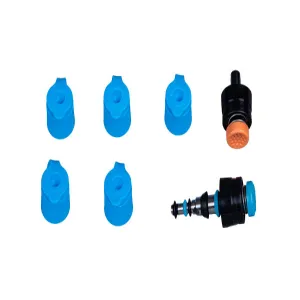
Endoscopic valve
Category: Medical equipment categoryBrowse number: 12Number:Release time: 2025-12-16 10:34:05An endoscopic valve is a critical component in minimally invasive surgical instruments, designed to control the flow of gases, fluids, and surgical tools within an endoscope. It provides airtight sealing to maintain insufflation, regulate irrigation, and allow safe instrument passage during procedures. Constructed from medical-grade polymers and corrosion-resistant metals, endoscopic valves ensure durability, sterilization resistance, and reliable performance. Features often include ergonomic handles, precision sealing diaphragms, and multiple ports to accommodate various laparoscopic or endoscopic instruments. These valves are essential for enhancing procedural accuracy, improving patient safety, and supporting applications in gastrointestinal, urological, and laparoscopic surgeries.
News
Category:
No search results found!
Case
Category:
No search results found!
Video
Category:
No search results found!
Download
Category:
No search results found!
Job
Category:
No search results found!
Featured Products
-
NEWS
Endoscopic valve
Learn more



 WhatsApp
 Phone
Phone