


 Español
 Deutsch
 日本語
日本語 한국어
한국어
LED Taillights
LED Taillights: A Modern Automotive Lighting Solution LED (Light Emitting Diode) taillights have become a standard feature in modern vehicles, offering superior performance, energy efficiency, and design flexibility compared to traditional incandescent or halogen bulbs. These advanced lighting systems enhance visibility, safety, and aesthetics while meeting stringent automotive regulations. 1. Enhanced Visibility & Safety LED taillights provide instant illumination, reacting faster than conventional bulbs when the driver applies the brakes. This rapid response time reduces rear-end collision risks by giving following drivers more time to react. Additionally, LEDs produce a brighter, more consistent light output, improving visibility in adverse weather conditions such as rain, fog, or snow. Many modern LED taillights incorporate dynamic turn signals or sequential lighting patterns, further increasing awareness of a driver’s intentions. 2. Energy Efficiency & Longevity LEDs consume significantly less power than incandescent bulbs, reducing strain on a vehicle’s electrical system and improving fuel efficiency in combustion-engine cars. In electric vehicles (EVs), energy savings contribute to extended range. Furthermore, LEDs have a much longer lifespan—often exceeding 50,000 hours—minimizing maintenance and replacement costs. Unlike traditional bulbs, LEDs are resistant to vibrations and shocks, making them ideal for rugged driving conditions. 3. Design Flexibility & Aesthetics LED technology allows automakers to create sleek, customizable taillight designs. Thin LED strips, intricate light patterns, and even 3D lighting effects enable distinctive branding and aerodynamic integration. Some high-end vehicles feature adaptive lighting systems that adjust brightness based on ambient conditions or use animation for turn signals. The compact size of LEDs also allows for innovative packaging, freeing up space for other components. 4. Regulatory Compliance & Future Innovations LED taillights meet global safety standards, including requirements for brightness, color, and durability. As regulations evolve, manufacturers continue to integrate smart features such as communication with autonomous driving systems or pedestrian-detection alerts. Emerging technologies like OLED (Organic LED) taillights offer even thinner, more flexible lighting solutions with uniform light distribution. Conclusion LED taillights represent a significant advancement in automotive lighting, combining safety, efficiency, and cutting-edge design. As technology progresses, they will play an increasingly vital role in vehicle communication, automation, and sustainability, making roads safer and vehicles more visually appealing.
Products
Category:
-
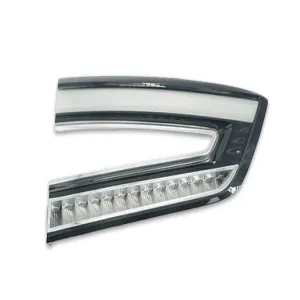
Taillights
Category: AutomotiveBrowse number: 16Number:Release time: 2025-12-16 14:39:59Taillights are essential automotive components designed to enhance vehicle visibility and communicate driving intentions to other road users. Modern taillights primarily use LED technology for energy efficiency, long lifespan, and precise light distribution. Key features include brake signaling, turn indicators, and rear position illumination, often integrated with advanced designs like sequential lighting and adaptive brightness. Constructed from durable materials such as polycarbonate lenses and corrosion-resistant housings, taillights withstand environmental stress, vibration, and thermal fluctuations. Widely used across passenger, commercial, and electric vehicles, they combine safety, reliability, and aesthetics, meeting regulatory standards while supporting modern automotive design trends and technological innovations.
News
Category:
No search results found!
Case
Category:
No search results found!
Video
Category:
No search results found!
Download
Category:
No search results found!
Job
Category:
No search results found!
Featured Products
No search results found!



 WhatsApp
 Phone
Phone