


 Español
 Deutsch
 日本語
日本語 한국어
한국어
Puncture needle
Puncture Needle: A Comprehensive Overview A puncture needle is a specialized medical device designed for accessing body cavities, tissues, or vessels to perform diagnostic or therapeutic procedures. It is widely used in various medical fields, including phlebotomy, biopsies, anesthesia administration, and fluid drainage. The needle’s precision, sharpness, and design ensure minimal trauma to tissues while achieving accurate results. Design and Components A standard puncture needle consists of several key components: 1. Cannula (Needle Shaft): A thin, hollow stainless steel tube that penetrates the skin and underlying tissues. Its gauge (diameter) varies depending on the application—smaller gauges (e.g., 25G) are used for delicate procedures like injections, while larger gauges (e.g., 18G) are employed for biopsies or fluid aspiration. 2. Stylet (Obturator): A solid, removable inner rod that provides rigidity during insertion, preventing tissue coring or clogging. It is withdrawn once the needle is correctly positioned. 3. Hub: The plastic or metal base that connects the needle to syringes, tubing, or other medical devices. It ensures a secure fit and facilitates smooth operation. 4. Bevel: The slanted tip of the needle, which enhances penetration efficiency and reduces patient discomfort. Types and Applications Puncture needles come in various configurations tailored to specific medical needs: - Hypodermic Needles: Used for injections or blood draws, available in different lengths and gauges. - Biopsy Needles: Designed with cutting edges or specialized tips (e.g., Tru-Cut, fine-needle aspiration) to collect tissue samples. - Spinal Needles: Long, thin needles with precise bevels for cerebrospinal fluid collection or epidural anesthesia. - Lumbar Puncture Needles: Feature a stylet to prevent nerve damage during spinal procedures. Material and Safety Features Modern puncture needles are made from high-quality stainless steel for durability and sharpness. Many include safety mechanisms such as retractable shields or self-blunting tips to prevent needlestick injuries, complying with occupational safety standards. Clinical Importance Puncture needles are indispensable in modern medicine, enabling minimally invasive procedures that reduce recovery time and infection risks. Their accuracy and sterility are critical for patient safety, making them a cornerstone of diagnostic and therapeutic interventions. In conclusion, puncture needles are versatile, precision-engineered tools that play a vital role in healthcare. Their design, material, and application-specific variations ensure optimal performance across numerous medical disciplines.
Products
Category:
-
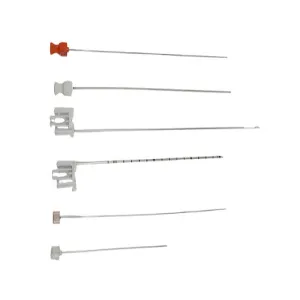
Puncture needle
Category: Medical equipment categoryBrowse number: 13Number:Release time: 2025-12-04 10:40:00A puncture needle is a medical instrument designed for precise penetration of tissues or body cavities to access fluids, deliver medications, or obtain samples. Constructed from high-quality stainless steel or other biocompatible materials, puncture needles offer strength, sharpness, and corrosion resistance for safe clinical use. They come in various gauges and lengths to suit specific procedures, including biopsies, fluid drainage, and injections. Sterilizable and single-use options ensure hygiene and reduce infection risk. Ergonomically designed hubs provide secure handling and compatibility with syringes or medical devices. Puncture needles are essential tools in hospitals, clinics, and laboratories for accurate, minimally invasive interventions.
News
Category:
No search results found!
Case
Category:
No search results found!
Video
Category:
No search results found!
Download
Category:
No search results found!
Job
Category:
No search results found!
Featured Products
No search results found!



 WhatsApp
 Phone
Phone