


 Español
 Deutsch
 日本語
日本語 한국어
한국어
Tools equipment parts
Tools, Equipment, and Parts: A Comprehensive Overview In various industries, tools, equipment, and parts play a crucial role in ensuring efficiency, precision, and safety. These components are essential for construction, manufacturing, automotive repair, electronics, and many other fields. Understanding their functions and applications helps professionals select the right resources for their tasks. Tools Tools are handheld or portable devices designed to perform specific tasks. They can be manual, electric, or pneumatic, depending on the required force and precision. Common examples include: - Hand Tools – Wrenches, screwdrivers, hammers, and pliers are fundamental for mechanical work, assembly, and repairs. - Power Tools – Drills, saws, grinders, and sanders enhance productivity by automating tasks that would otherwise be labor-intensive. - Measuring Tools – Calipers, micrometers, and laser levels ensure accuracy in dimensions and alignments. - Cutting Tools – Blades, shears, and CNC cutters are used in metalworking, woodworking, and fabrication. Equipment Equipment refers to larger, often stationary machines or systems used for industrial or specialized operations. Examples include: - Heavy Machinery – Excavators, cranes, and bulldozers are vital in construction and mining. - Manufacturing Equipment – Lathes, milling machines, and injection molding systems produce precision components. - Diagnostic Equipment – Oscilloscopes, multimeters, and engine analyzers help troubleshoot electrical and mechanical systems. - Safety Equipment – Protective gear such as helmets, gloves, and harnesses prevent workplace injuries. Parts Parts are individual components that make up larger tools, machines, or systems. They can be categorized into: - Mechanical Parts – Bearings, gears, belts, and fasteners ensure smooth operation in machinery. - Electrical Parts – Resistors, capacitors, and circuit boards are essential for electronic devices. - Hydraulic/Pneumatic Parts – Valves, pumps, and hoses control fluid or air pressure in industrial systems. - Replacement Parts – Filters, blades, and seals maintain equipment longevity by replacing worn-out components. Selection and Maintenance Choosing the right tools, equipment, and parts depends on factors such as material compatibility, load capacity, and environmental conditions. Proper maintenance, including lubrication, calibration, and timely replacement, ensures optimal performance and safety. In summary, tools, equipment, and parts form the backbone of industrial and technical operations. Their proper selection and upkeep directly impact productivity, quality, and workplace safety. Whether for small-scale repairs or large-scale manufacturing, these components remain indispensable in modern industries.
Products
Category:
-
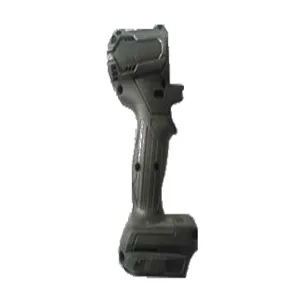
Tools equipment
Category: ToolsBrowse number: 15Number:Release time: 2025-12-04 10:39:37Tools equipment refers to a broad range of devices, machines, and instruments used to perform mechanical, electrical, or manual tasks across industrial, commercial, and professional settings. This category includes hand tools, power tools, measurement instruments, assembly devices, and specialized machinery. Quality, durability, and precision are critical for reliable performance under demanding conditions. Materials such as high-strength steel, alloys, and engineered polymers are commonly used, while manufacturing processes like CNC machining, forging, and heat treatment ensure structural integrity. Tools equipment enhances productivity, accuracy, and safety in applications ranging from construction and manufacturing to maintenance and technical services. -
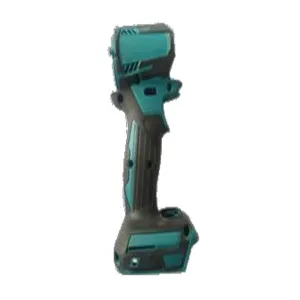
Tools
Category: ToolsBrowse number: 16Number:Release time: 2025-12-04 10:39:43Tools are essential devices, instruments, or equipment designed to perform specific tasks, whether manual, mechanical, or powered. They range from hand tools like hammers, screwdrivers, and wrenches to power tools such as drills, grinders, and saws. Tools enable precision, efficiency, and safety in construction, manufacturing, maintenance, and repair applications. Material selection—such as high-strength steel, alloys, or engineered polymers—ensures durability and reliability. Ergonomic design, proper balance, and surface treatment improve usability and lifespan. Tools are widely used across industries including automotive, aerospace, electronics, and home improvement, supporting productivity, accuracy, and long-term operational performance.
News
Category:
No search results found!
Case
Category:
No search results found!
Video
Category:
No search results found!
Download
Category:
No search results found!
Job
Category:
No search results found!
Featured Products
No search results found!



 WhatsApp
 Phone
Phone